
Concert earplugs are not just about blocking noise. They protect your hearing while keeping the music clear and lively. This balance matters because live music is a wall of sound, full of highs, mids, and lows that shape the experience. Earplugs that muffle or flatten that sound spoil the show. This guide explains how concert earplugs achieve noise reduction without losing the music’s detail. You’ll learn about the materials, acoustic filters, and design features that make this possible. We’ll look at Heavys’s approach alongside other options, showing how technology and design come together to protect your ears and preserve the live sound.
The Challenge: Protecting Hearing Without Losing the Music
Loud concerts can damage hearing over time. The problem is that simple earplugs—like foam ones—block sound unevenly. They cut off high frequencies more than lows, making music sound muffled or dull. This changes the balance of instruments and vocals. You lose the clarity that makes live music feel alive.
Concert earplugs aim to reduce volume evenly across all frequencies. This keeps the sound natural. You still get the guitars, vocals, and drums in their own space. The music stays rich and clear, just quieter. This is called flat or even attenuation.
Materials Used in Concert Earplugs
Concert earplugs are made from materials that fit comfortably and seal the ear canal to block noise. The most common materials are:
- Silicone: Soft, flexible, and reusable. Silicone molds to your ear shape, making a good seal without discomfort. It also lasts longer than foam.
- Foam: Cheap and disposable. Foam expands to fill the ear canal but often blocks high frequencies unevenly.
- Custom Molded Materials: Some concert earplugs are custom-molded from silicone or acrylic. These fit perfectly and offer the best seal, but cost more.
Heavys’s H1F1 earplugs use a high-quality silicone blend that balances comfort with durability. They come rated at 23 dB NRR (Noise Reduction Rating), which means they reduce loud sounds significantly but keep music clear.
Acoustic Filters: The Heart of Sound Preservation
The key to preserving music quality is the acoustic filter inside the earplug. This tiny component controls how sound waves enter your ear. It reduces loudness but keeps the frequency balance intact.
How Acoustic Filters Work
Acoustic filters use a combination of membranes, chambers, and damping materials. These elements:
- Lower the volume evenly across low, mid, and high frequencies.
- Prevent the earplug from blocking certain frequencies more than others.
- Allow the full spectrum of sound to pass through, just quieter.
Some filters use a resonance channel that mimics the open ear canal. This trick keeps the ear feeling "open," so you don’t get that plugged-up sensation and the sound stays natural.
Multi-stage filters use a membrane and a damping mesh to reduce high and low frequencies evenly, which avoids muffling and distortion.
Types of Filters
- Flat Attenuation Filters: These provide even reduction across all frequencies. They are best for music lovers who want to hear everything clearly but quieter.
- Tuned Filters: These reduce some frequencies more than others, often to balance specific noise types. They may slightly color the sound.
- Passive Filters: No electronics, purely mechanical. Most concert earplugs use passive filters.
- Active Filters: Use electronics to cancel noise. This technology is more common in headphones than earplugs.
Heavys’s H1F1 earplugs use passive, precision acoustic filters rated to reduce noise by about 23 dB while keeping music clarity. This matches the approach of other high-end concert earplugs but at a competitive price source.
Design Features That Support Sound Quality
Besides filters and materials, the physical design of concert earplugs affects how well they preserve sound.
Shape and Fit
A good fit seals the ear canal without discomfort. If the seal leaks, noise reduction drops and sound quality suffers. Silicone earplugs like Heavys’s H1F1 fold and come with a travel case, making them easy to carry and maintain a consistent fit.
Venting and Pressure Equalization
Some earplugs include tiny vents or channels that let a small amount of air and sound through. This reduces the "plugged" feeling and helps keep the sound balanced. The vents are carefully designed to maintain noise reduction while preserving natural acoustics.
Durability and Reusability
Concert earplugs need to last through many shows. Silicone plugs are washable and reusable, unlike foam, which degrades quickly. Heavys’s earplugs are built to last and come with a foldable design and case for convenience.
Balancing Noise Reduction and Audio Fidelity
Noise reduction rating (NRR) measures how much sound an earplug blocks. Higher NRR means more protection but risks muffling the music. The sweet spot for concert earplugs is usually between 15 and 25 dB NRR.
Heavys’s H1F1 earplugs have a 23 dB NRR rating. This level cuts down harmful volume but keeps music detailed and clear. This rating is comparable to other filtered earplugs used by musicians and concertgoers source.
The goal is to reduce volume enough to protect hearing without losing the live feel. Filters that reduce volume evenly across frequencies help keep vocals, guitars, and drums distinct. This way, the music doesn’t sound flat or muffled.
Comparing Heavys H1F1 to Other Concert Earplugs
Heavys’s H1F1 earplugs compete with brands like Loop, Etymotic, and EarPeace. Here’s how they stack up:
| Feature | Heavys H1F1 | Loop Pro | EarPeace Music Pro |
|---|---|---|---|
| Noise Reduction | 23 dB NRR | ~20 dB NRR | ~20 dB NRR |
| Filter Type | Precision acoustic | Tuned acoustic filter | Precision acoustic |
| Material | Silicone blend | Silicone | Silicone |
| Reusability | Yes, washable | Yes, washable | Yes, washable |
| Design | Foldable, travel case | Slim, discreet | Custom fit option |
| Price Range | $34 | $30–$40 | $25–$40 |
Heavys’s choice of a 23 dB NRR filter offers solid protection with minimal sound coloration. The foldable design and travel case add convenience for frequent concertgoers.

Why Flat Attenuation Matters for Music Fans
Flat attenuation means the earplug lowers volume evenly across all frequencies. This preserves the balance between bass, mids, and highs. For metal and rock fans, this is crucial. Guitars, vocals, and double kick drums each occupy their own space in the mix. If the earplugs block some frequencies more than others, the music sounds muddy or muffled.
A flat filter keeps the wall of sound intact, just quieter. You get the same energy and detail, so the live experience stays immersive.
The Role of Active Noise Cancellation vs. Passive Earplugs
Active noise cancellation (ANC) uses electronics to cancel out ambient noise. This technology is common in headphones like Heavys’s H1H but rare in concert earplugs.
ANC can reduce steady background noise but struggles with sudden, loud sounds like drum hits or crowd noise. Passive earplugs with acoustic filters work better for concerts because they reduce volume evenly and don’t rely on batteries or electronics.
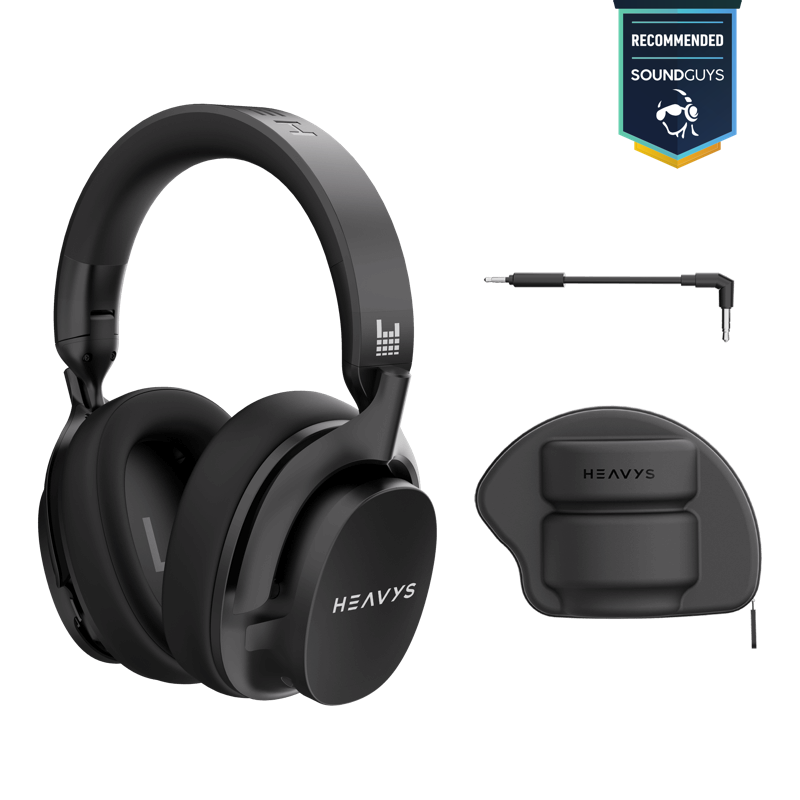
Heavys offers ANC in its H1H headphones, which include HellBlocker™ adjustable noise cancellation and transparency mode. But for concert earplugs, the H1F1 relies on passive filtering to maintain sound clarity and simplicity.
How Heavys’s Experience Shapes Their Earplug Design
Heavys was founded by Axel Grell, former head of audio at Sennheiser. His expertise in sound engineering informs every product. The patented eight-driver array in Heavys headphones shows how much thought goes into capturing live sound naturally.
This attention to detail carries over to the H1F1 earplugs. They focus on delivering clear, balanced sound while protecting hearing. Heavys’s internal data shows 200,000 customers trust their gear, with many praising the balance of protection and sound quality.
Tips for Using Concert Earplugs Effectively
- Insert properly: Roll and compress silicone plugs before inserting. Push gently until sealed.
- Test the fit: Listen to music at a concert or through headphones to check if sound stays clear.
- Clean regularly: Wash silicone plugs with mild soap and water to keep filters clear.
- Bring spares: Earplugs can get lost or damaged. Having extras means you’re always protected.
- Use with Heavys headphones or earbuds: For different listening needs, Heavys offers the H1H headphones and H1E earbuds, each tuned for immersive sound in their own way.
Where to Find High-Quality Concert Earplugs
Heavys sells the H1F1 earplugs on their website, where you can also explore their headphones, earbuds, and artist-designed swappable shells. Their site offers detailed specs and customer reviews that highlight real-world use.
You can learn more about the H1F1 earplugs and order them directly from Heavys’s earplugs page.
Conclusion
Concert earplugs protect your hearing without killing the music. They use materials like silicone and precision acoustic filters to reduce noise evenly across all frequencies. This flat attenuation preserves the clarity and balance of live music. Heavys’s H1F1 earplugs exemplify this approach with a 23 dB NRR rating, foldable design, and durable materials.
Unlike foam plugs that muffle sound, filtered earplugs keep vocals, guitars, and drums clear. The choice of filter, fit, and design all matter. Heavys’s expertise in sound engineering and commitment to heavy music gives their earplugs a strong foundation.
For anyone serious about live music and hearing protection, understanding how concert earplugs work helps make the right choice. Heavys provides a solid, reliable option for preserving sound quality while keeping your ears safe.
FAQ
How do concert earplugs differ from regular foam earplugs?
Concert earplugs use precision acoustic filters to reduce volume evenly across frequencies. Foam plugs block sound unevenly, muffling music and making it dull. Concert earplugs keep the music clear and balanced while protecting hearing.
Can I use concert earplugs for other noisy environments?
Yes. Concert earplugs are effective in any loud setting where you want to reduce noise without losing clarity. They work well at festivals, clubs, and noisy workplaces but are not medical devices or hearing aids.
How often should I replace my concert earplugs?
Silicone earplugs like Heavys’s H1F1 can last for months or longer with proper care. Clean them regularly and store them in the included travel case. Replace them if they become damaged, lose their seal, or the filters clog.
Do concert earplugs affect bass or low frequencies?
Good concert earplugs with flat attenuation reduce bass and lows evenly with mids and highs. This keeps the balance intact. Poorly designed plugs might cut lows too much or let them through too strongly, distorting the sound.
Are active noise-cancelling earplugs better than passive filters?
Active noise cancellation is rare in earplugs and better suited for headphones. Passive filtered earplugs are more reliable for concerts because they reduce all frequencies evenly without electronics or batteries.