
Best Headphones for Metal Music
Quick Answer
Metal is one of the most demanding music genres for headphones. Fast double-kick drums, layered guitars, aggressive vocals, deep bass, and shimmering cymbals all compete for your attention at once. The best headphones for metal music don't simply boost bass—they reproduce every layer with clarity, maintain tight low-end impact, and create enough space for each instrument to breathe.
If you primarily listen to rock, metalcore, death metal, progressive metal, or classic heavy metal, prioritize instrument separation, controlled bass, a clear midrange, and a wide soundstage over exaggerated bass or overly bright treble.
Why Metal Is One of the Hardest Genres for Headphones
Many headphones are tuned for modern pop, hip-hop, or electronic music, where a strong bass boost can create an exciting sound.
Metal is different.
A single song may contain:
- Two distorted rhythm guitars
- Lead guitar melodies
- Bass guitar
- Double-kick drums
- Fast snare work
- Multiple vocal layers
- Cymbals and hi-hats
- Orchestral or electronic elements
All of these occupy similar parts of the frequency spectrum.
On low-quality headphones, everything blends together into what listeners often describe as a "wall of noise."
A well-designed pair of headphones keeps these elements distinct, allowing you to hear every guitar riff, drum fill, and vocal layer without sacrificing impact.
What Makes Headphones Great for Metal Music?
Instrument Separation
If there is one feature that matters most for metal, it's instrument separation.
Instead of hearing a single block of distorted sound, great headphones let you distinguish rhythm guitars from lead guitars, bass from kick drums, and vocals from the rest of the mix.
This becomes especially important in genres like:
- Progressive metal
- Technical death metal
- Symphonic metal
- Metalcore
The more complex the music becomes, the more valuable good separation is.
Tight, Controlled Bass
Metal absolutely benefits from powerful bass—but powerful doesn't mean overwhelming.
The ideal bass should:
- Hit hard
- Stay controlled
- Recover quickly
- Never cover vocals or guitars
Poorly tuned bass often makes kick drums sound boomy instead of punchy and can hide important musical details.
Clear Midrange
The midrange is where much of metal lives.
Electric guitars, vocals, snares, and many melodic elements all rely heavily on mid frequencies.
If the mids are recessed, guitars lose their energy and vocals can sound distant.
For guitar-driven music, this is one of the biggest compromises you can make.
Smooth Treble
Metal naturally contains a lot of high-frequency energy.
Cymbals, guitar harmonics, and vocal effects all contribute to the top end.
Good headphones keep these frequencies detailed without becoming harsh.
Excessively bright headphones may sound exciting during the first few songs but often become fatiguing during longer listening sessions.
A Spacious Soundstage
Soundstage describes how spacious music feels.
Instead of every instrument appearing directly inside your head, a wider soundstage creates the impression that musicians occupy different positions around you.
This helps busy mixes feel more open and realistic.
Although open-back headphones are traditionally associated with wider soundstages, well-designed closed-back headphones can also create an impressively immersive listening experience.
Closed-Back vs Open-Back for Metal
Both designs have strengths.
Closed-Back Headphones
Pros:
- Better isolation
- Stronger perceived bass
- Great for commuting and travel
- More immersive in noisy environments
Cons:
- Can sound narrower on some models
Open-Back Headphones
Pros:
- Larger perceived soundstage
- Airier presentation
- Excellent for quiet listening rooms
Cons:
- Leak sound
- Offer almost no isolation
- Not suitable for public places
For most listeners, a high-quality closed-back headphone offers the best balance between immersion and practicality.
Common Mistakes When Buying Metal Headphones
Buying Based Only on Bass
Many buyers assume metal needs as much bass as possible.
In reality, uncontrolled bass often hides guitars, drums, and vocals.
Quality matters more than quantity.
Ignoring Comfort
Metal fans frequently listen for hours at a time.
Comfort should include:
- Soft ear cushions
- Low pressure around the ears
- Balanced weight
- Breathable materials
Even incredible sound becomes difficult to enjoy if the headphones become uncomfortable after thirty minutes.
Chasing Volume Instead of Detail
Louder doesn't always sound better.
Many premium headphones focus on preserving detail rather than simply increasing volume.
Being able to hear every instrument clearly usually creates a far more immersive experience than sheer loudness alone.
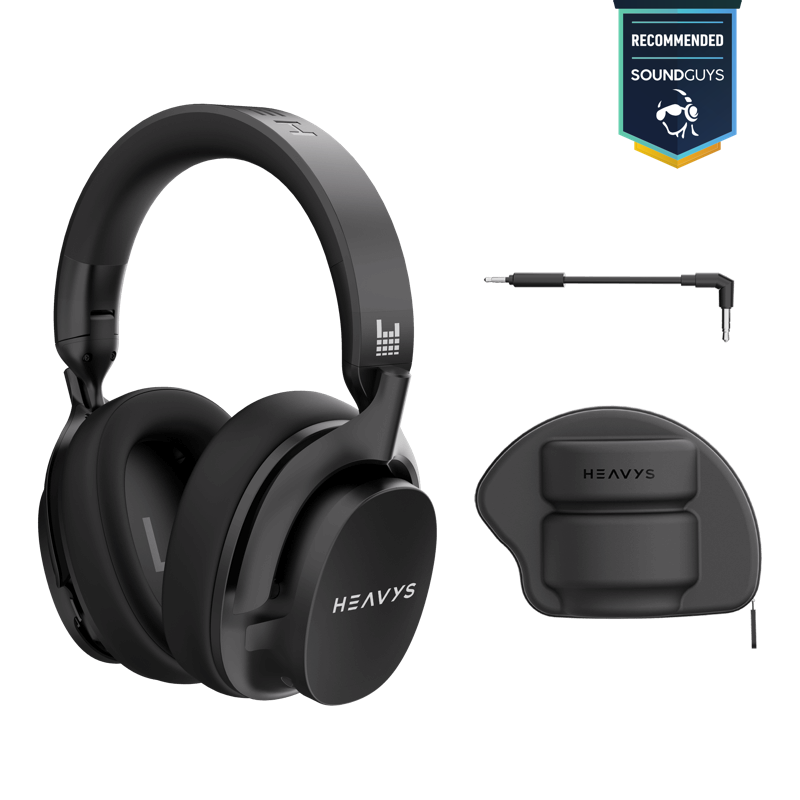
How HEAVYS Approaches Heavy Music
Most headphones are designed to perform well across every genre.
HEAVYS took a different approach by focusing specifically on the challenges of heavy music.
Its multi-driver architecture was developed to improve separation, clarity, and immersion while maintaining the impact that rock and metal fans expect. Rather than relying on excessive bass, the goal is to reproduce complex mixes with greater balance so individual instruments remain clear, even during the busiest passages.
Whether you're listening to classic heavy metal, progressive rock, or modern metalcore, the result is a presentation that feels powerful without sacrificing detail.
Final Thoughts
The best headphones for metal music don't simply make your music louder.
They help you hear everything that makes heavy music exciting: layered guitars, aggressive vocals, thunderous drums, textured bass, and the subtle production details that often disappear on ordinary headphones.
When choosing your next pair, look beyond marketing claims about bass or volume. Prioritize clarity, separation, comfort, and immersion. Those qualities will make every album—from classic heavy metal to modern progressive metal—sound closer to the way the artists intended.
Frequently Asked Questions
Are bass-heavy headphones good for metal?
Only if the bass is well controlled. Excessive bass can overpower guitars, vocals, and drums.
Is soundstage important for metal?
Yes. A wider soundstage helps separate dense mixes and creates a more immersive listening experience.
Are wireless headphones good for metal?
Modern wireless headphones can sound excellent. Focus on tuning, driver quality, and overall design rather than the connection type alone.
What matters more: bass or instrument separation?
For most metal listeners, instrument separation is more important. Hearing each guitar, drum, and vocal clearly creates a far better experience than simply having louder bass.
Related Reading
- What Is Soundstage in Headphones?
- Headphone Drivers Explained
- Bass Quality vs. Bass Quantity
- Open-Back vs. Closed-Back Headphones