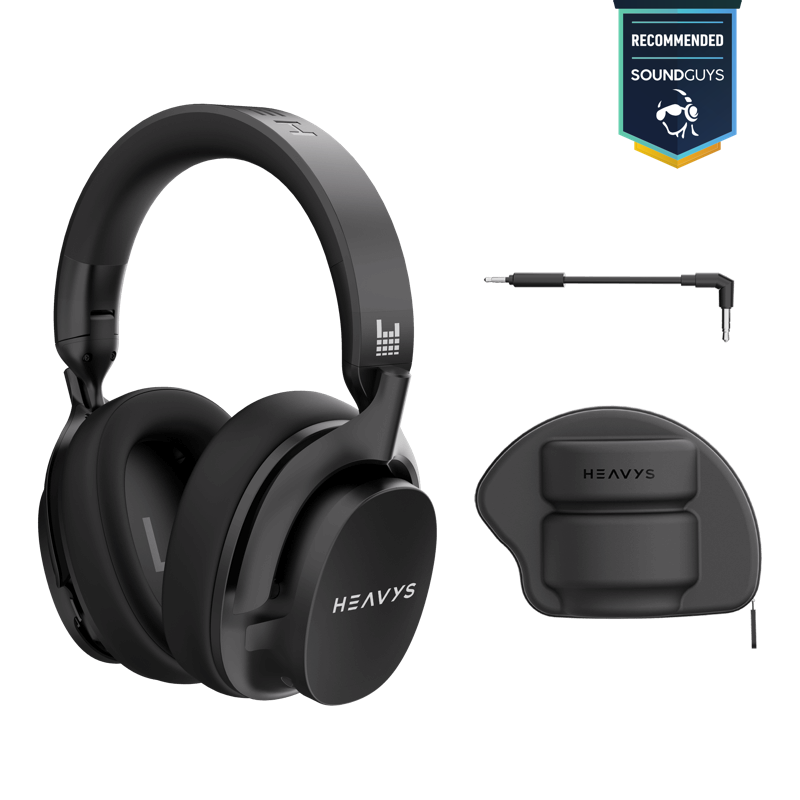

For decades, headphones have followed the same formula: buy them, use them, replace them.
But a new generation of audio gear is changing that entirely.
Modular headphones are redefining what it means to own premium audio equipment by giving users the power to customize, upgrade, and repair individual components instead of replacing the entire device. The result? Better sound, longer lifespan, less waste, and a listening experience that feels genuinely personal.
In 2026, modular audio isn’t just a niche idea for tech enthusiasts — it’s becoming the future of premium listening.
What Are Modular Headphones?
Modular headphones are designed with interchangeable parts that can be swapped, upgraded, or replaced independently.
Instead of treating headphones as a sealed product, modular systems break them into customizable components like:
- Ear cups
- Drivers
- Cables
- Headbands
- Ear pads
- Outer shells
This means users can change how their headphones look, feel, and even sound without buying a completely new pair.
Traditional headphones are fixed systems. If one part breaks — or if your preferences change — the entire product often becomes obsolete.
Modular headphones solve that problem by creating standardized connection systems that allow every component to evolve independently.
Customization Goes Beyond Looks
The most obvious advantage of modular headphones is personalization.
Interchangeable shells and visual components allow users to match their setup to their personality, favorite artists, gaming rigs, or aesthetic preferences. Some brands even collaborate directly with musicians, designers, and visual artists to create officially licensed shell collections.
But customization goes far beyond appearance.
Audio Tuning
Different driver configurations can dramatically change the listening experience:
- Bass-focused tuning for electronic music
- Wider soundstage for gaming
- Enhanced clarity for podcasts and vocals
- Balanced profiles for studio monitoring
Users can tailor their setup to specific genres, workflows, or environments.
Comfort & Fit
Swappable ear pads and headbands allow listeners to optimize for:
- Long listening sessions
- Noise isolation
- Breathability
- Travel comfort
- Lightweight wear
Upgradeability
Instead of replacing perfectly good headphones every few years, modular systems allow users to improve specific components over time.
Want better drivers? Upgrade them.
Need a new cable? Replace it in seconds.
Headband worn out after years of use? Swap it out.
The core system stays alive.
Why Modular Design Matters for Sustainability
Consumer electronics generate millions of tons of waste every year, and headphones are a major contributor.
Most traditional headphones are difficult — or impossible — to repair. Once a cable fails or a hinge cracks, the entire product often ends up in a landfill.
Modular design changes that.
By allowing users to replace only the components they need, modular headphones dramatically extend product lifespan and reduce electronic waste.
Less Waste, Longer Lifespan
Research into modular electronics consistently shows major reductions in discarded materials because users no longer need to replace entire devices for small failures or upgrades.
Instead of this cycle:
Buy → Wear Out → Replace
Modular systems encourage:
Buy → Upgrade → Repair → Personalize → Keep
That shift has enormous environmental impact.
Smarter Manufacturing
Modular systems also improve manufacturing efficiency:
- Fewer full-unit replacements
- Reduced packaging waste
- Smaller shipping footprints
- On-demand component production
The result is a more sustainable ecosystem for both brands and consumers.
Modular Headphones as Self-Expression
Headphones have become part of personal identity.
People wear them daily:
- At work
- In the gym
- Gaming
- Traveling
- Creating content
- Streaming
- Studying
Modular headphones turn that daily accessory into something uniquely yours.
One day your setup can be clean and minimal for work. The next, it can feature bold artwork inspired by your favorite band or game.
For many users, modularity transforms headphones from simple electronics into collectible, evolving pieces of functional design.
Who Benefits Most from Modular Headphones?
Music Fans
Different genres deserve different experiences. Modular systems allow listeners to tune their setup around what they love most.
Gamers
Customize both aesthetics and audio performance for immersive gameplay and streaming setups.
Creators & Professionals
Podcasters, producers, and editors can upgrade components over time without rebuilding their entire workflow.
Travelers
Swap lightweight parts, travel-friendly cables, or compact configurations depending on the environment.
Sustainability-Conscious Buyers
Repairability and longevity make modular systems one of the most eco-friendly approaches to personal audio.
The Long-Term Value Advantage
At first glance, modular headphones may cost more than entry-level traditional models.
But over time, the economics often work in the user’s favor.
Instead of buying entirely new headphones every few years, owners only replace or upgrade individual components when needed.
That means:
- Lower long-term ownership costs
- Better durability
- Continuous upgrades instead of full replacements
- Reduced waste
In many cases, modular headphones become better over time instead of becoming obsolete.
The Future of Audio Is Personal
The shift toward modular headphones represents something bigger than a design trend.
It reflects a growing demand for products that are:
- More sustainable
- More repairable
- More customizable
- More personal
Consumers no longer want disposable tech.
They want products that evolve with them.
Modular headphones are leading that transformation by combining premium audio engineering with personalization, longevity, and creative freedom.
And in 2026, that combination is becoming impossible to ignore.