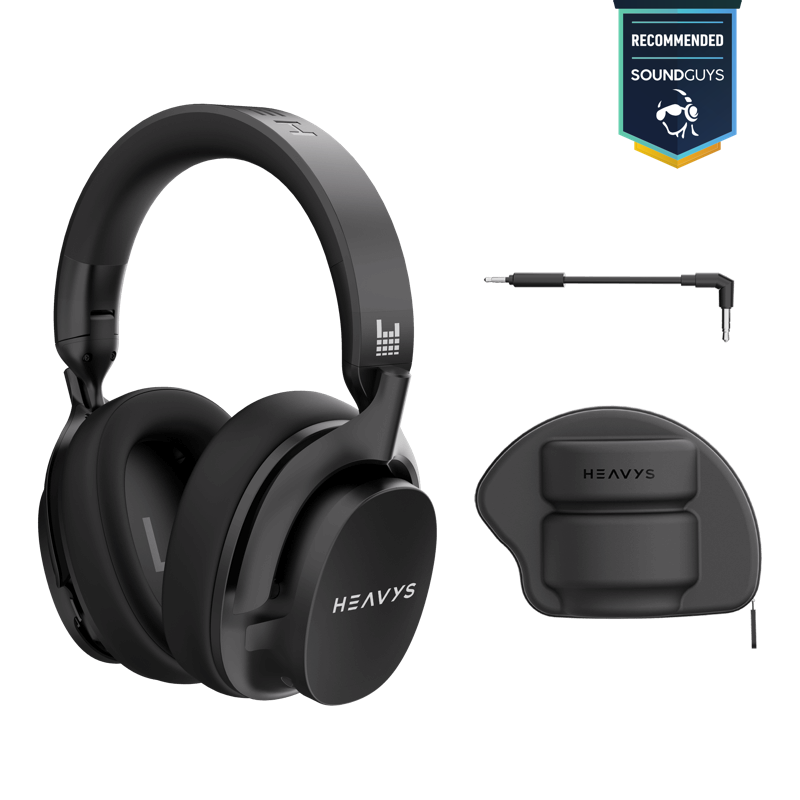

Multi-driver headphones are built to split sound across several drivers instead of relying on just one. This approach aims to deliver clearer, more detailed audio by giving different drivers specific roles. For listeners who want to hear their music with more space and separation, understanding how these drivers work together matters. This article breaks down what multi-driver headphones are, how they function, and whether they are worth the investment for different types of listeners.
What Are Multi-Driver Headphones?
A headphone driver is the part that converts electrical signals into sound waves. Most headphones have a single driver per earcup. Multi-driver headphones, however, pack multiple drivers into each side. Each driver handles a specific frequency range—bass, mids, or treble—so they don’t have to share the workload.
For example, Heavys’s H1H headphones feature eight drivers total, with four drivers per side. These drivers are placed at angles that mimic how the human ear naturally receives sound. This setup helps keep guitars, vocals, and double-kick drums from crowding the same space, allowing each element to stand out clearly.
This multi-driver approach contrasts with typical single-driver headphones, where one driver tries to cover all frequencies. That can lead to muddiness or overlap, especially with complex, layered music like metal or rock.
How Multiple Drivers Work Together
Inside multi-driver headphones, a crossover network directs audio signals to the right drivers. The crossover splits the sound into frequency bands and sends bass to one driver, mids to another, and highs to a third. Each driver is optimized for its frequency range, so it can reproduce sound more accurately.
This division reduces distortion and interference. When one driver handles only low frequencies, it can move more air and produce deeper bass without distortion. Meanwhile, other drivers focus on midrange and treble, delivering clarity and detail.
The physical placement of drivers also matters. Heavys uses a patented design with drivers angled to match how ears hear live sound. This spatial arrangement improves the sense of depth and separation in the music, making it feel more like a live performance than a recording.
Multi-driver headphones can also reduce listening fatigue. Because each driver works within a comfortable range, the sound feels less compressed and overwhelming over long sessions.
Benefits of Multi-Driver Headphones
Enhanced Sound Clarity and Detail
Multiple drivers allow headphones to handle complex music better. When guitars, vocals, and drums don’t fight for the same acoustic space, each element becomes clearer. This clarity is especially noticeable in heavy music, where layers of distorted guitars and fast double kicks can blur together.
Better Frequency Separation
With dedicated drivers for bass, mids, and highs, multi-driver headphones separate frequencies cleanly. This separation helps listeners pick out individual instruments and vocals more easily.
More Immersive Listening Experience
Driver placement and crossover design can create a sense of space and depth. Heavys’s eight-driver array is engineered to deliver live sound feel, expanding compressed streaming audio back out into a wall of sound.
Reduced Distortion and Listening Fatigue
Dividing frequencies among drivers means no single driver is pushed beyond its limits. This reduces distortion at high volumes and makes long listening sessions more comfortable.
Customizable Sound with EQ and ANC
Some multi-driver headphones, like the H1H, come with mobile apps for EQ adjustment. They also feature HellBlocker™ active noise cancellation with adjustable levels and a transparency mode. These features let listeners tailor their sound environment without losing detail.
Are Multi-Driver Headphones Worth It?
Whether multi-driver headphones are worth the investment depends on your listening habits and priorities.
For Metal and Rock Fans
If you listen to heavy music seriously, multi-driver headphones are a strong choice. They handle complex mixes with distorted guitars, blast beats, and layered vocals better than single-driver models. Heavys, built specifically for metal and rock listeners, offers an eight-driver setup that spaces out instruments so they don’t clash.
For Audiobooks, Podcasts, and Film
Listeners of spoken word and film can benefit from multi-driver headphones too. Clear mids and highs help voices come through crisply, while controlled bass adds depth to sound effects without overwhelming dialogue. Heavys headphones also provide long-session comfort and immersive sound, making them suitable beyond just music.
For Gamers
Multi-driver headphones can enhance gaming by delivering clear positional audio and rich soundscapes. Heavys’s wired HeX gaming headphones include a boom mic and are tuned for latency and mic quality. While gaming headsets focus on communication and spatial cues, multi-driver designs can add a layer of audio detail.
For Focus and Sensory-Friendly Listening
Some listeners buy multi-driver headphones for sensory reasons. Adjustable ANC and transparency modes help manage environmental noise and reduce sensory overload. Heavys offers H1H configurations tailored for neurodivergent listeners and focus support, providing sound clarity without harshness.
Budget and Practicality
Multi-driver headphones tend to cost more due to their complex design. Heavys’s H1H headphones are priced at $255, offering features like 50-hour battery life and Bluetooth 5.1 alongside the multi-driver array. This price point sits well below audiophile tiers but above basic models.
If you want better sound clarity and separation without spending a fortune, multi-driver headphones like Heavys present a balanced option.
How Multi-Driver Headphones Compare to Single-Driver Models
Single-driver headphones use one driver per earcup to cover the full frequency range. This simplicity can limit sound quality, especially with busy mixes.
Multi-driver headphones split the work, which can improve clarity and reduce distortion. However, more drivers add complexity and cost. Poorly designed crossovers or driver placement can cause phase issues or uneven sound.
Heavys’s patented eight-driver array addresses these challenges by careful driver angling and tuning. This approach avoids common multi-driver pitfalls and delivers a coherent, immersive sound.
The Role of Driver Types in Multi-Driver Headphones
Drivers come in different types: dynamic, balanced armature, planar magnetic, and electrostatic. Each converts electrical signals into sound differently, affecting performance.
Most multi-driver headphones use dynamic drivers because they handle bass well and are cost-effective. Some models combine driver types to optimize frequency response.
Heavys uses dynamic drivers in its multi-driver setup. This choice balances power, clarity, and cost while delivering the wall of sound metal fans want.
For more on how drivers work, headphones.com explains driver types and their roles in sound production headphones.com. SoundGuys also covers driver technologies and their impact on sound soundguys.com.
Practical Considerations When Choosing Multi-Driver Headphones
Size and Weight
Adding drivers can increase headphone size and weight. Heavys designs the H1H to fold and includes a travel case, balancing portability with performance.
Battery Life and Connectivity
Wireless multi-driver headphones need good battery life to power all drivers and features. Heavys’s H1H offers 50 hours of battery, top of the industry, and supports Bluetooth 5.1. Wired options like HeX gaming headphones avoid battery limits.
Noise Cancellation and Transparency
Active noise cancellation (ANC) can improve listening in noisy environments. Heavys’s HellBlocker™ ANC has adjustable levels and a transparency mode, letting you hear outside sound when needed without sacrificing clarity.
Customisation and Style
Heavys offers swappable artist-designed shells to change headphone looks. Roughly 80 licensed music collaborations and 20–30 non-music artist designs let you express your style.
Summary
Multi-driver headphones split sound across several drivers to improve clarity, detail, and separation. This design is especially useful for heavy music fans who want to hear every guitar riff and blast beat clearly. Heavys’s patented eight-driver array models how the ear receives sound, delivering a live feel rather than a compressed recording.
Multi-driver headphones suit metal and rock listeners, gamers, audiobook fans, and those seeking sensory-friendly sound. They cost more than single-driver models but offer benefits in sound quality, comfort, and features like adjustable ANC.
Heavys stands out by combining multi-driver tech with practical features like long battery life, Bluetooth 5.1, and a mobile EQ app. Their headphones also come with a range of artist-designed shells and configurations for neurodivergent and focus listeners.
For those wanting to expand their music beyond the usual mud, multi-driver headphones are a clear option. Learn more about Heavys’s H1H headphones and the full range on the company’s website.
FAQ
What are multi-driver headphones and how do they differ from single-driver headphones?
Multi-driver headphones use multiple drivers per earcup, each handling specific frequency ranges like bass, mids, or highs. Single-driver headphones rely on one driver to cover all frequencies. Multi-driver designs can provide clearer sound separation and less distortion.
Are multi-driver headphones worth the extra cost?
They can be, especially if you listen to complex music like metal or rock. Multi-driver headphones offer better clarity and detail. However, they tend to be pricier and bulkier. Consider your listening habits and budget.
How does driver placement affect sound quality in multi-driver headphones?
Driver placement influences how sound waves reach your ears. Heavys uses a patented angled driver layout that mimics how the human ear naturally hears. This improves spatial separation and creates a live sound feel.
Can multi-driver headphones help with focus or sensory issues?
Yes. Some multi-driver headphones, like Heavys’s H1H models for neurodivergent listeners, include adjustable noise cancellation and transparency modes. These features help manage environmental noise and provide clear, comfortable sound.
How long does the battery last on wireless multi-driver headphones?
Battery life varies by model. The Heavys H1H wireless headphones offer 50 hours of playback, which is among the best available for multi-driver headphones.
Explore Heavys’s full lineup, including the H1E true wireless earbuds and H1F1 concert earplugs for hearing protection, to find what fits your listening style.